What Matters Most When Investing With or Through a Real Estate Private Equity Group? | Forrest Jinks, Altus Equity Group

A strong sponsor can save a bad deal, and a weak one can sink a good one, so ask the investors whose deals went sideways.


 Amazon Music
 PocketCasts
 Podcast Addict
 Castro
Key Takeaways
- Forrest Jinks says the most important factor when investing with a real estate private equity group is the company itself: the sponsor.
- Private investments have fewer checks and balances than public ones, so a sponsor's morals, ethics and values, and how well they align with the investor's, matter a great deal.
- The sponsor's vision and the deal's timeline should match the investor's: a 10-year deal is a poor fit for someone who needs their money back in three years, and the reverse.
- Jinks says a strong sponsor can save a bad deal, and an inexperienced, weak sponsor can kill a good deal.
- He suggests reviewing a sponsor's track record and asking for references from past investors, especially in deals that did not go well.
What matters most when investing with or through a real estate private equity group? Forrest Jinks, Founder & CEO at Altus Equity Group, explains why the sponsor matters more than any single deal: shared values and ethics, a hold period that fits your timeline, a track record of adjusting when markets change, and references from investors in deals that did not go well.
About Forrest Jinks: Forrest is the founder and CEO of Altus Equity Group, a private real estate investment firm with offices in Texas, South Carolina and California. He has more than 20 years of real estate investing experience across multifamily, industrial, commercial and retail properties.
Connect with Forrest Jinks:
Website: https://altusequity.com
LinkedIn: https://www.linkedin.com/in/forrestjinks/
Connect with host Joshua Wilson:
LinkedIn: https://www.linkedin.com/in/joshuabrucewilson/
Follow The PE Podcast:
Website: https://www.thepepodcast.com
LinkedIn: https://www.linkedin.com/company/the-pe-podcast
YouTube: https://www.youtube.com/@thepepodcast
More private equity questions answered: https://www.thepepodcast.com/questions/
A One Iron Network production: Executive Producer Joshua Wilson
The PE Podcast is for informational and educational purposes only. Nothing discussed is investment, legal, tax, or financial advice, or an offer or solicitation to buy or sell any security or fund interest.
Topics: real estate private equity, sponsor due diligence, investor alignment, hold period, sponsor track record, investor references
Disclaimer: Joshua Wilson is a licensed Florida real estate broker (BK3038350) and holds FINRA Series 79 and Series 63 licensure. The PE Podcast is produced by One Iron Network LLC for informational and educational purposes only. Nothing discussed constitutes investment advice, legal or tax advice, a solicitation, or a recommendation to buy or sell any security or to pursue or avoid any transaction. All views and opinions expressed by the host and guests are their own and do not necessarily reflect the positions of One Iron Network LLC, Smooth Stone Capital, any regulatory agency, or any employer. Any performance figures, valuations, or transaction terms discussed are historical, specific to the circumstances described, and are not indicative of future results. Listeners should consult their own legal, financial, and tax professionals before making any business, financial, or transaction decision.
Let's Connect on LinkedIn:
https://www.linkedin.com/in/joshuabrucewilson/
Follow The PE Podcast:
https://www.linkedin.com/company/the-pe-podcast/
Powered by One Iron Network:
https://www.oneironnetwork.com/
Frequently Asked Questions
What matters most when investing in real estate private equity?
According to Forrest Jinks of Altus Equity Group, the most important factor is the sponsor: the company running the investment, its ethics and values, and whether those align with yours.
Why does the sponsor matter so much in a real estate deal?
Jinks says a strong sponsor can save a bad deal and a weak, inexperienced sponsor can kill a good one, because markets change and tenants move in and out, and the sponsor is the one who has to adjust.
How should an investor's timeline fit a real estate private equity deal?
Jinks says the investment's hold period should match the investor's goals: a 10-year deal does not suit someone who wants their money back in three years, and a short deal may not suit someone investing for 10 to 15 years.
How do you vet a real estate sponsor?
Jinks recommends reviewing the sponsor's historical track record, confirming your values align, and asking for references from past investors, specifically in deals that did not go well.
What is the most important thing to think through when investing with or through a real estate private equity group?
Forrest Jinks:I really think there's only one obvious answer for this, which is the company, the company, the company. That could also be called the sponsor, the sponsor, the sponsor. But this is a private investment. And, you know, even in public investments, there's still stories like Enron where fraudulent things happen. In private investments, there are less checks and balances around that. So it's super important that the company you're investing with has the right morals and ethics. And then, are those morals and ethics in alignment with your morals and ethics and your values? Because there's not necessarily right or wrong as far as some of that goes, but it's really, really important to be in alignment. And then I think the other really important thing is, does the vision of the company match your vision? Don't invest in a 10-year deal if you want your money back in three years. And vice versa, if you want to grow rich consistently over time, which is what real estate's really good at, don't invest in a three-year deal if you don't need your money back for 10 or 15 years. Make sure that you're not gonna get dinged with taxes or different things because the investment structure doesn't work. And then lastly, you know, make sure the investor or the the investment company knows what they're doing. A strong sponsor can save a bad deal, and an inexperienced, weak sponsor can kill a good deal. And, you know, we investors oftentimes will dig into the aspects of a particular investment, but if it's a strong sponsor, like, that's kind of what you're hiring them to do, is understand the investment itself. And you're hiring them to then run the investment. Things still happen. Markets go up, markets go down, tenants move in, tenants move out. But how does the real estate sponsor adjust and jive as things change? That's really, really important. And so definitely look to their historical track record. Make sure you're in alignment with their values and their ethical bearing. And don't be afraid to ask for referrals from past investors, specifically past investors where things haven't gone well. When things don't go well and if their investors will still speak highly of them, that speaks very well for that investor sponsor.
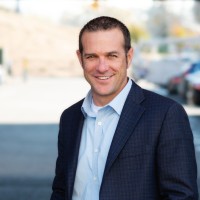
Founder & CEO, Altus Equity Group
Forrest Jinks is the founder and CEO of Altus Equity Group, a private real estate investment firm with offices in Texas, South Carolina and California. He has more than 20 years of real estate investing experience across multifamily, industrial, commercial and retail properties in multiple states.
Altus focuses on capital preservation, tax efficiency and long-term wealth creation for its private investors, and structures deals to be held rather than flipped. Its sister companies include Altus Capital Group, a private money lender, and Altus Management Group, a property management firm. Forrest is known for creative deal structuring and for making investor experience — clear, early, direct communication — central to how the firm operates.